

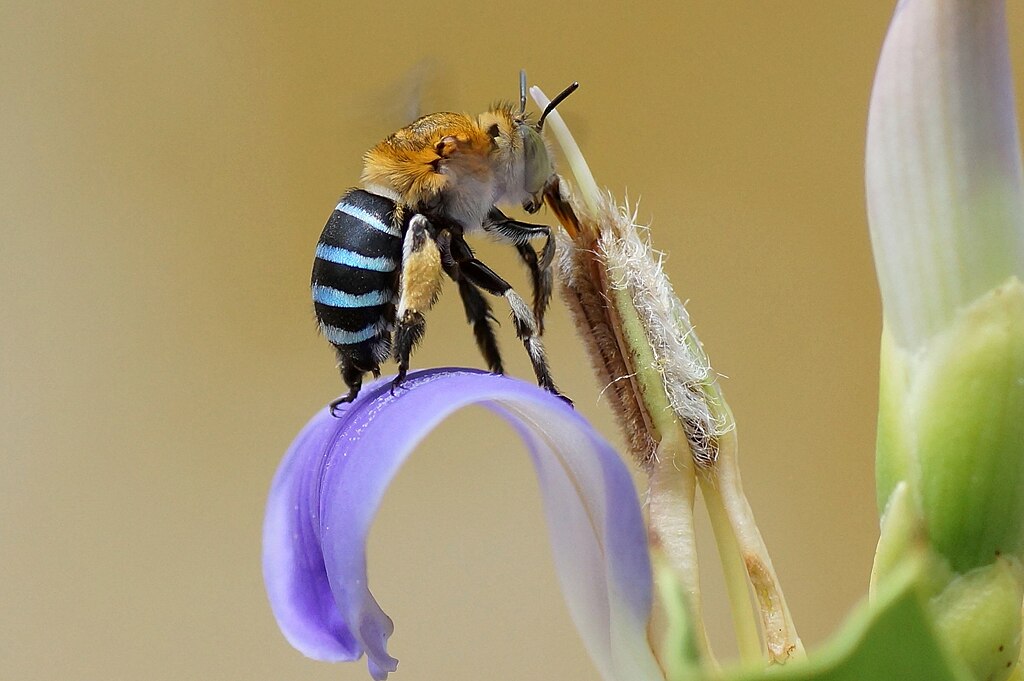
Image: blue-banded bee, photo by Vengolis
Why bees are so important 🐝
Bees are hugely important in our ecosystems. To be frank, if we removed bees from existence ecosystems would likely collapse. End. Be gone. So protecting them is pretty serious! Teaching our kids how to treasure bees is essential for our ecosystems to survive into the future. Add to this that much of our food production relies on bees, as bees pollinate many of the plants that grow our food. So there’s a lot to gain in protecting bees!
Most of us think of honey bees, right? But did you also know there are over 1,700 species of native bees? Read that again – over 1,700 species! You can find them both with and without stings, of varying colours, and some even have spots. They all behave differently and prefer some flower types over others.
It’s time to go wild!
As we’ve all built our home and communities, we’ve knocked over many thriving ecosystems, and in many cases replaced it with concrete and lawns with essentially no animal or bug life. It’s time we brought the wild back to the suburbs!
Rewilding is a term used to describe this process. Essentially it revolves around bringing back some of the wildness of our environment, and allowing nature to run its course and become self-sustaining. There are big projects all around the world where organisations are doing this on a large scale, but you can do this at your own home on a much smaller scale with incredible effects.
One of the best ways you can contribute to rewilding efforts and bee populations at your home is to create what’s called a ‘microclimate’. Microclimates are mini zones or areas with distinctly different temperatures or humidity to the area that surround it. Imagine an oasis in the middle of a desert – this is a great example. You can create a microclimate within your own yard, or even apartment balcony with some simple strategies – strategies you can teach your kids! What’s super cool about these microclimates is you can attract all kinds of insects, bug life and birds by creating a little oasis of your own. Your kids will get to see some incredible bug life by keeping even a small section of your garden a little bit wild.
As fancy as the word ‘microclimate’ sounds, there are some simple ways you can create this at home, involving your kids from the very start:
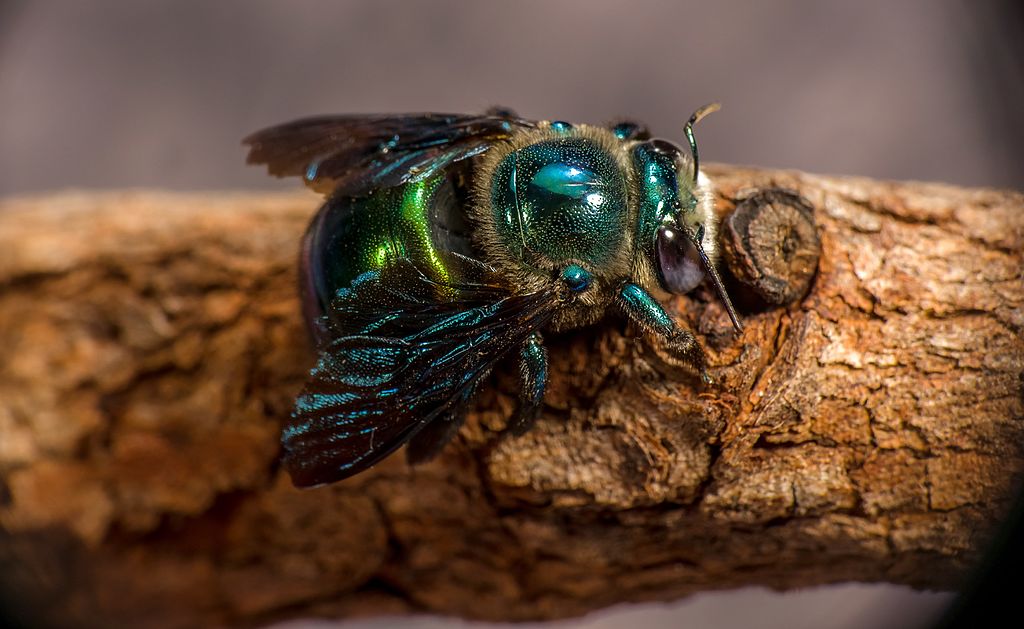
Photo: Green Carpenter Bee in Quinkan Country, by Robert Whyteus
- Don’t mow your whole lawn.
Sorry (not sorry) to break hearts but suburban lawns are some of the least biodiverse places (meaning they lack a variety of animals, plants and microorganisms). Leave a corner or patch of your grass unmowed, even a metre by a metre is a great start, or choose a corner just a little out of the way where you’re happy to let things get a bit wild. Let the grass grow long (depth of grass gives bees somewhere to hide, burrow or sleep). Get your kids involved and even pop a sign in the ground that says ‘Bee Zone’ to help teach them that this space is going to be a home for bees.
- Plan your wildness.
As unwild as it sounds you need to plan for your new zone to go wild! Here are the ways to plan your new wild space:
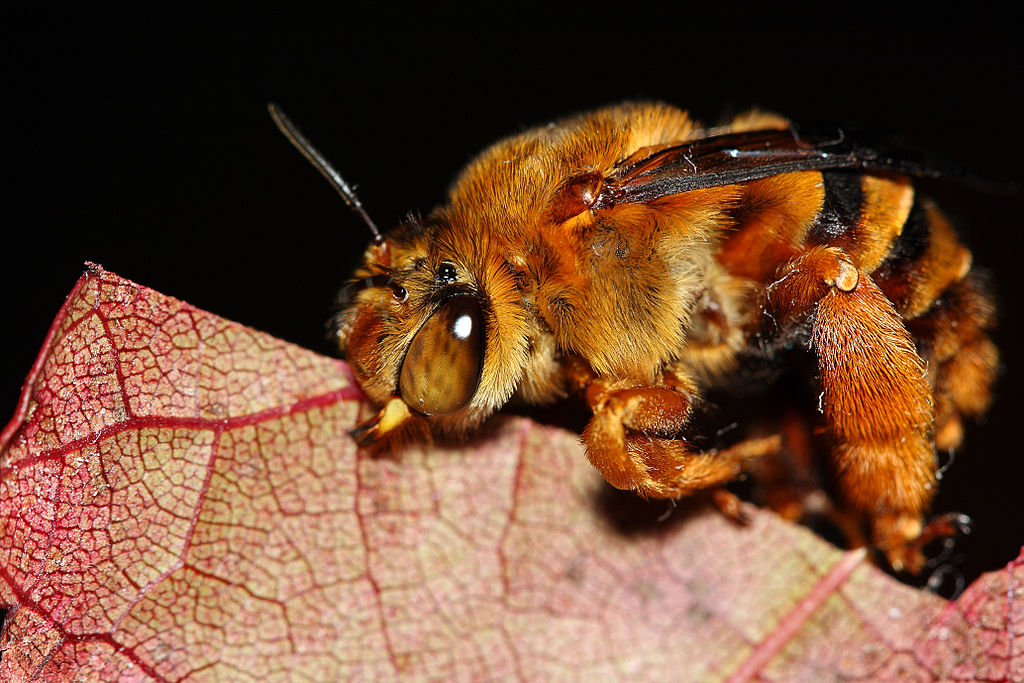
Photo: a teddy bear bee, by AussieGail
a) Create levels of plant life.
Imagine the layers of a rainforest – the undergrowth on the ground, with plant life of varying heights leading up to a canopy that provides shade to the plants and animals below. Imagine your newly-wilded grass patch as the undergrowth of your incoming rainforest – then plan for plant life growing at different heights, providing different levels of shade, providing a variety of plants to hide in or pollinate.
b) Mix up your plant variety + include flowers!
As mentioned our native bee species all behave differently, and the flowers they are attracted to vary, so varying the plant and flower species you grow is essential. There are a number of flowers and flowering herbs you might use at home that flower, which are perfect to start growing even in a pot.
Some bee-loved favourites include:
🪴= can grow in a pot
- Lavender 🪴
- Tea tree (Leptospermum)
- Grevillea
- Sunflowers 🪴
- Coneflowers 🪴
- Eucalyptus
- Daisies 🪴
- Zinnias 🪴
- Marigolds 🪴 (these also deter mosquitos!)
- Bottlebrush (Callistemon)
- Lemon balm (Melissa officanalis) 🪴
- Oregano (Origanum vulgare)🪴
- Lemon tree
- Marjoram (Origanum marjorana) 🪴
- Sage (Salvia officinalis) 🪴
- Borage (Borago officinalis) 🪴
- Passionfruit (Passiflora edulis)
- Coriander (Coriandrum sativum) 🪴
- Sweet basil (Ocimum basilicum) 🪴
- Lemon-scented myrtle (Backhousia citriodora)
- Thyme (Thymus spp.) 🪴
But even letting your dandelions and clover grow wild is a great place to start! Any weeds with flowers that naturally grow in your lawn can encourage bees to visit.
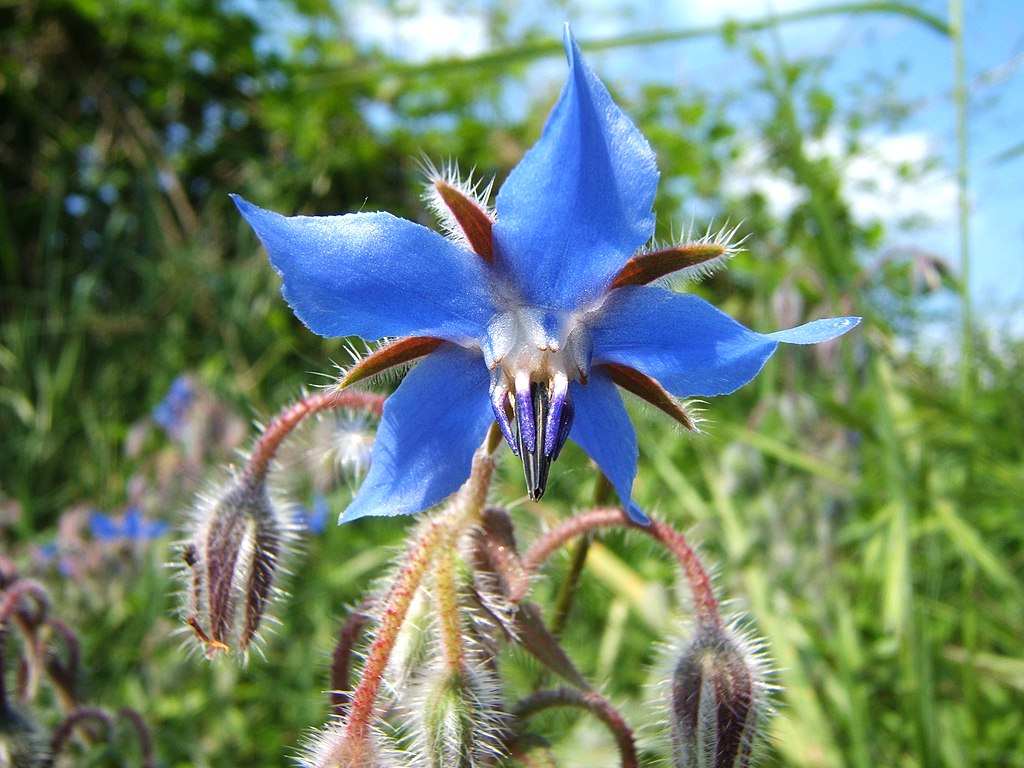
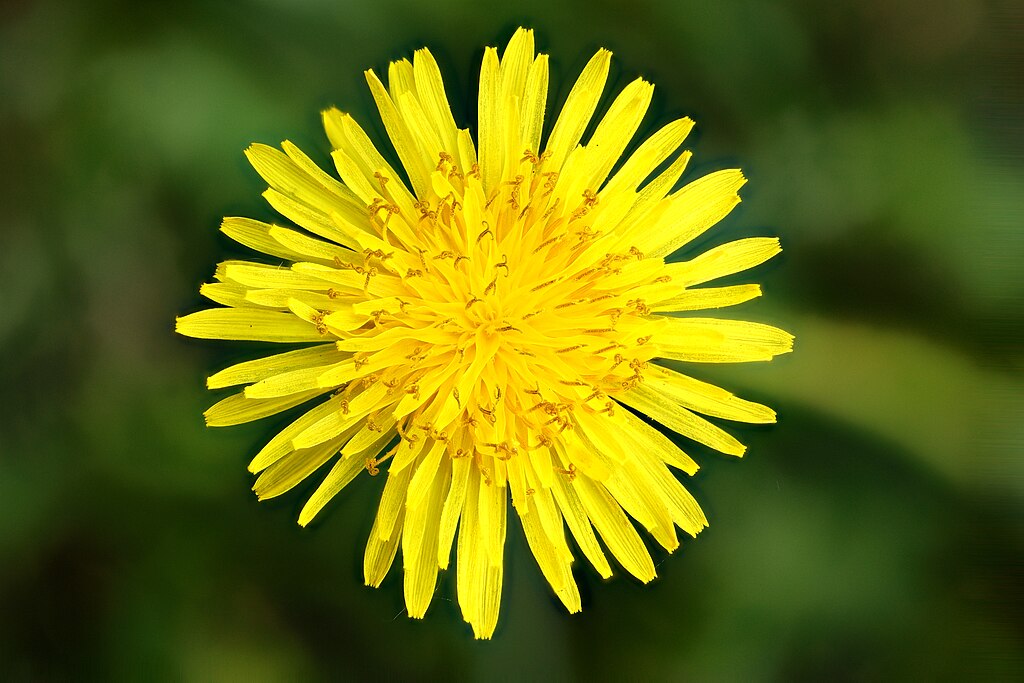
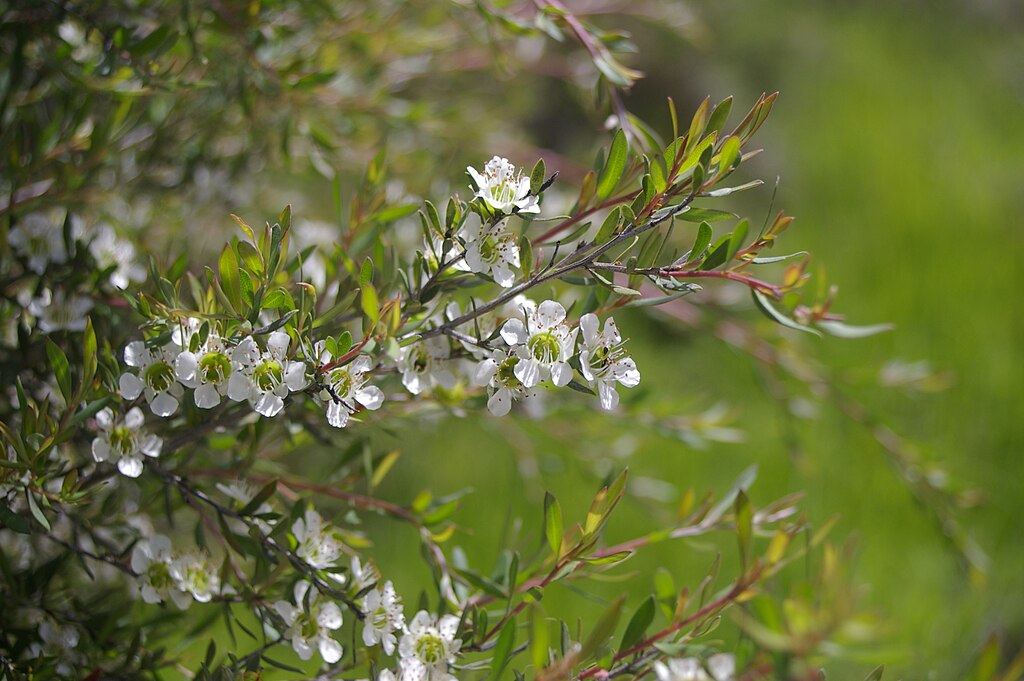
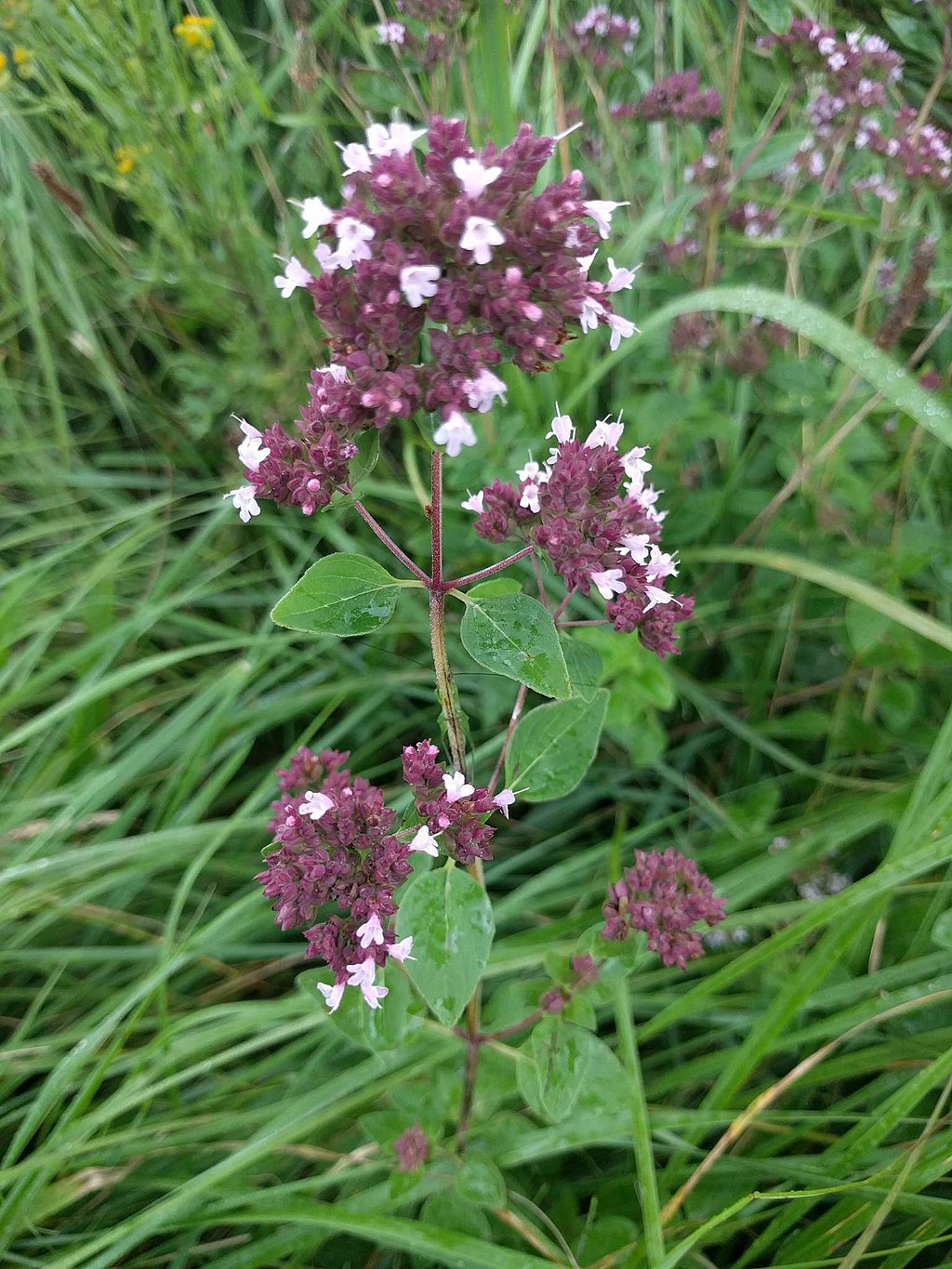
Photos: top left: borage (Borago officinalis); middle left: dandelion; bottom left: tea tree (Leptospermum); right: Oregano (Origanum vulgare).
- Say no to insecticides
Avoid using insecticides in your yard – the use of these has led to huge declines in bug and insect populations and diversity of bug communities. The harsh chemicals in these treatments kill everything, not just the “bad” bugs, reducing biodiversity and ultimately making your garden a sad and lonely place for plant, animal and insect life. They also tear nutrients away from the soil underneath, leading to poor plant growth. Sadly some nasty pests can also build up immunity to the chemicals you’re using so not only do you lose the great bugs you want to keep, you also encourage growth of the bad ones you don’t. There’s essentially no benefit to insecticides so steer clear!
To make your rewilding process a little easier, I’ve created this worksheet download where you and your kids can create a plan for where your wilding patch will be, and the plant life you will grow to encourage bees!
Download the worksheet here:
References:
https://www.aussiebee.com.au/beesinyourarea.html
Images sources:
Main blog image: blue-banded bee, photo by Vengolis
https://commons.wikimedia.org/wiki/File:Green_Carpenter_Bee_in_Quinkan_Country_far_north_Queensland.jpg
https://commons.wikimedia.org/wiki/File:Teddy_Bear_Bee_(2354272190).jpg
https://commons.wikimedia.org/wiki/File:Dandelion_Flower_close_up.jpg
https://commons.wikimedia.org/wiki/File:Borago_officinalis_003-1.jpg
https://commons.wikimedia.org/wiki/File:Leptospermum_polygalifolium_Flat_Rock_Creek,_Girraween_National_Park_Queensland_IMGP3679.jpg
https://commons.wikimedia.org/wiki/File:Origanum_vulgare_149176132.jpg
 Aussie Tiny Tales
_3.jpg)

.jpg)


Leave a comment