

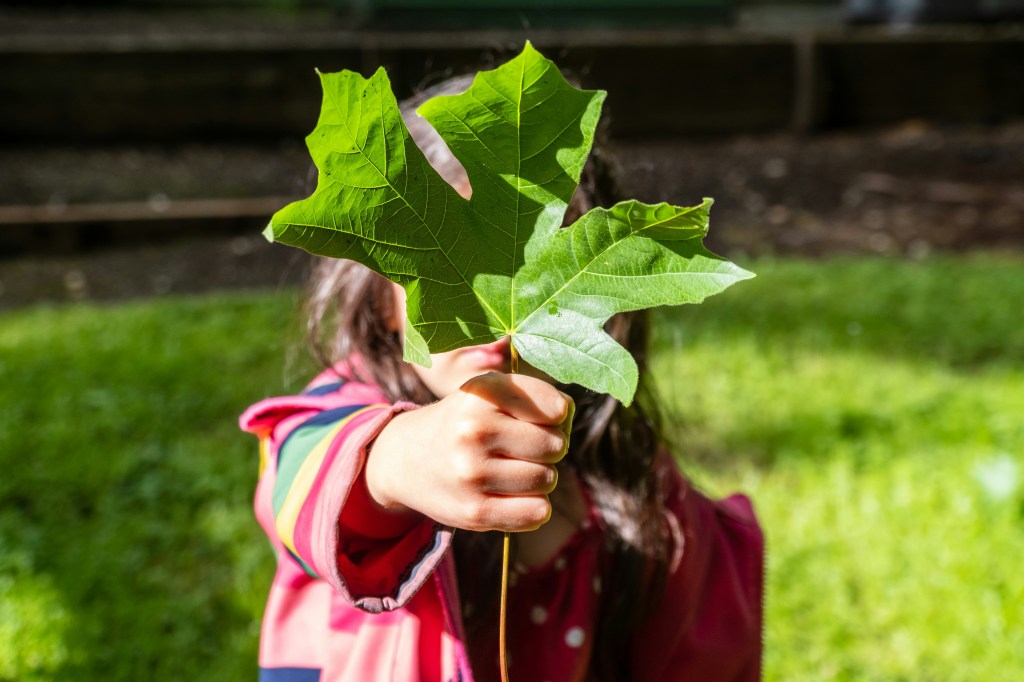
How do you teach kids about conservation when they can’t even pronounce the word? Sigh. The key is to keep it simple, fun, and easy to do. Their understanding of conservation starts in small and simppe ways, and over time you build on their learnings with conversation after conversations, activity after activity. You can build on their knowledge year after year. Doing conservation-focused activities together is a great way to start having conversations about conservation and why we need to protect our environments and wild animals. To get you started here are 5 activities to try:
1.
Collect trash on your favourite nature trail.
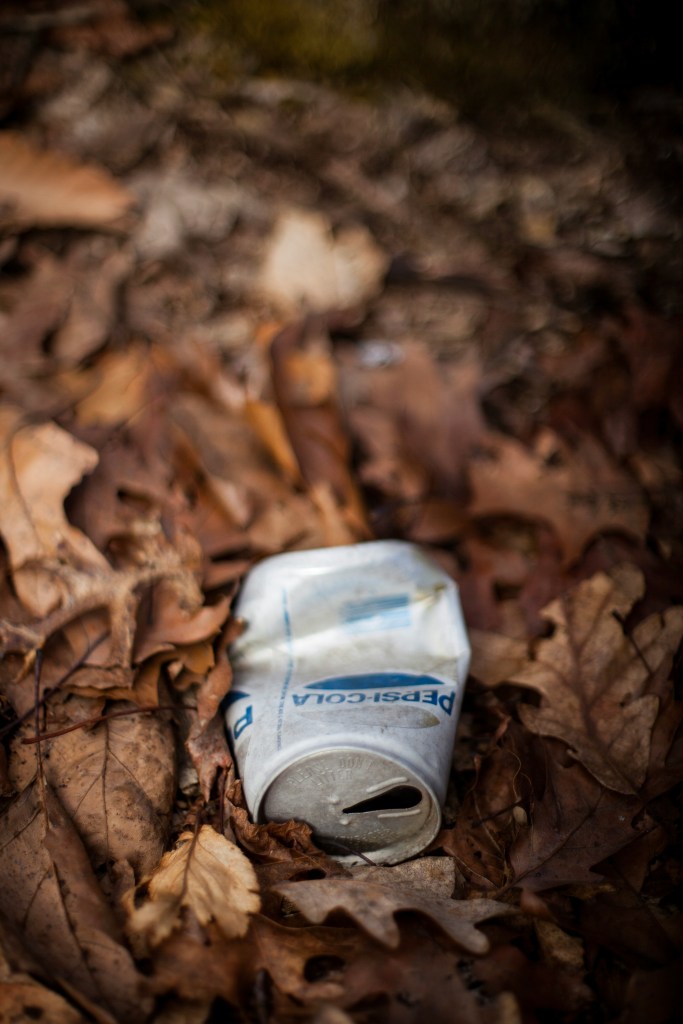
If you have a couple of children participating in this game, turn it into a competition! See how many pieces of rubbish you can collect in a garbage bag on one of your favourite local walks. Take a look at the kind of rubbish you find – is it plastic? Drink bottles? Food wrappers? Consider how these pieces ended up on the walk and ask them what they think could prevent it from happening again. Kids are much smarter than we give them credit for!
2.
Play the energy detective game.
Time to get cluey! Give your kids a pencil and paper and ask them to walk around the house to find all the appliances and fittings in your home that require electricity or gas. They might need your assistance to identify all items. Then, ask them to identify when your family uses them throughout the day and identify which ones could be turned off when not in use. When do we use the toaster? In the morning! If you aren’t using one of your rooms, turn the light off! Understanding these patterns of energy use can help identify when and where we can all be reducing our energy usage, thus impacting the environment less.
3.
Follow a creek to the sea/lake.
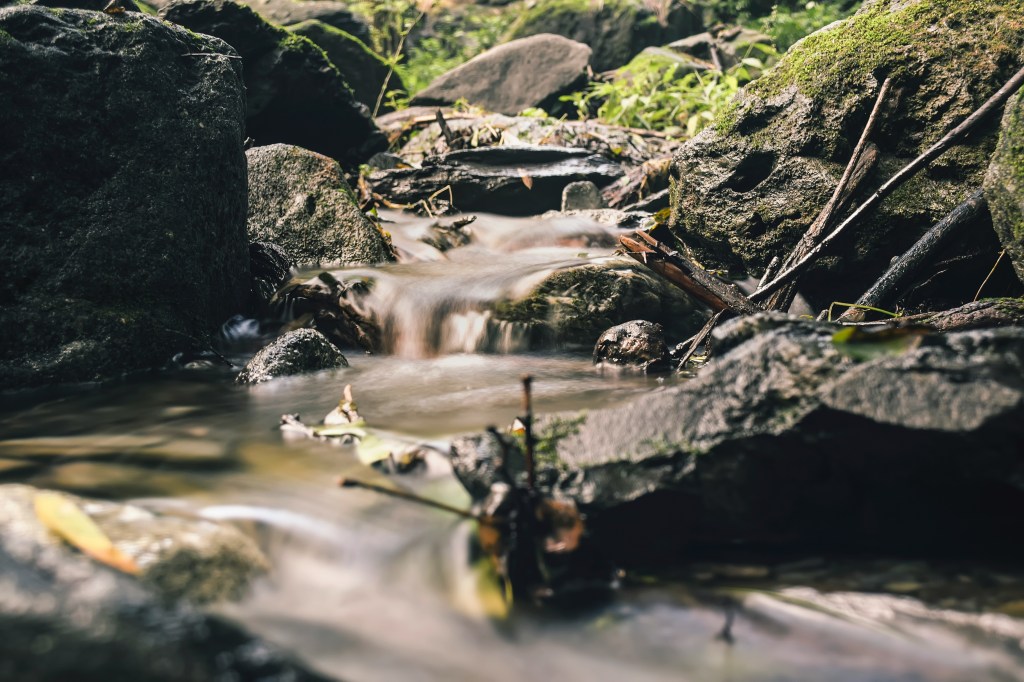
You could do this one both by physically following a creek, but also with the use of a good old map! Find a creek starting up by a hillside, then follow its line until it joins a river then all the way out to sea or to a lake. Imagine you made a mini boat and it followed that line all the way out to sea. Imagine if someone blocked the creek, what would happen downstream? What if someone took all the water for their farm, what would happen downstream? Look at the key sites located either side of the water way and ask your kids how those sites might impact the creek or river.
4.
Give a piece of rubbish a second life
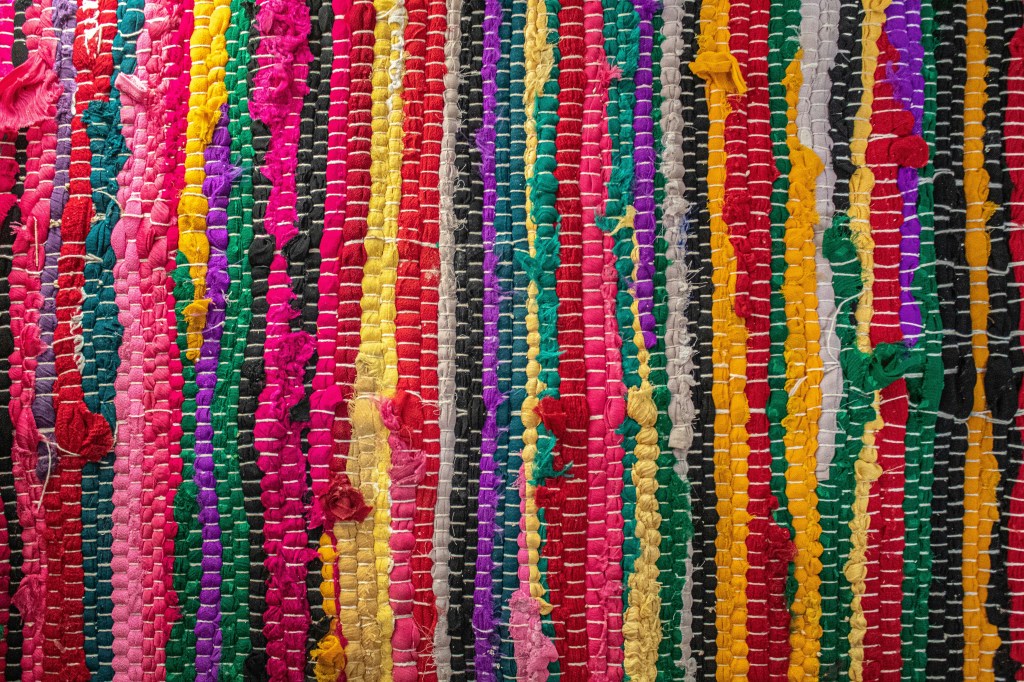
Choose an item in your home, preferably something that is likely to be thrown away soon. Ask your child to name 3 ways that item could be used in a different way, instead of throwing it out. For some inspiration, take a look at a rag rug (see image below). These rugs are made entirely of old shirts, pants, pillow cases, bed sheets and tablecloths. These items have so much fabric left on them, even if they have a tear or stain, and can become a soft and colourful rug in someone’s home for many years to come! See what transformations your kids can come up with for items around your home.
5.
List the bugs, birds & animal life that visit your home over a weekend
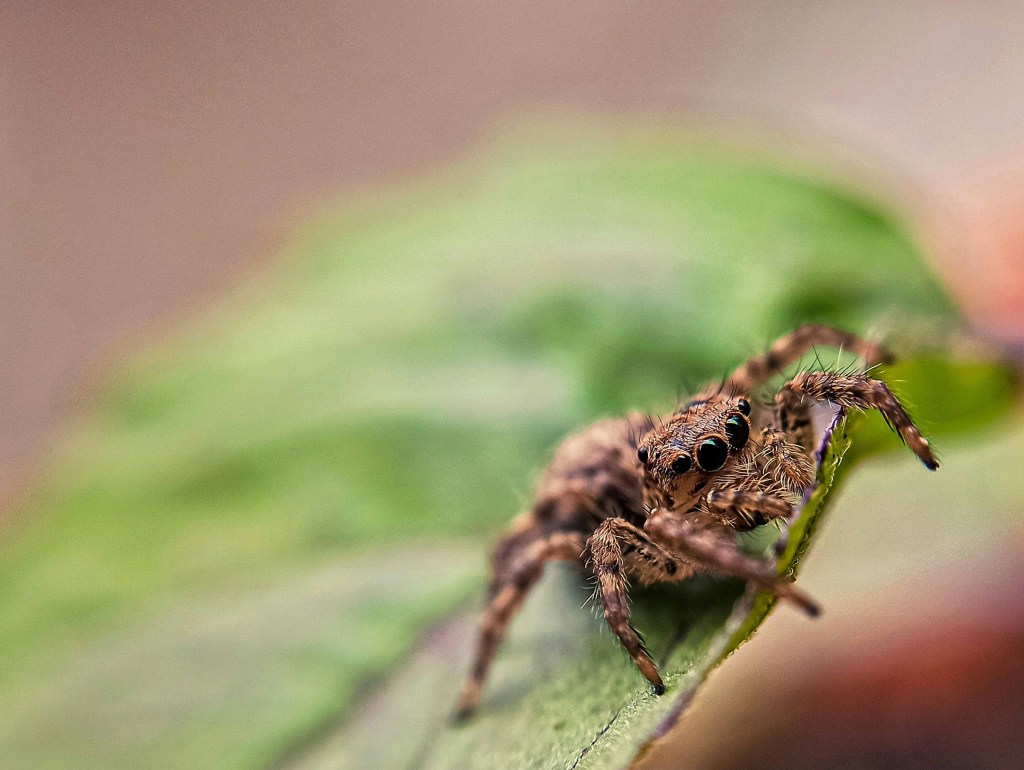
This is a great activity for the days you’re sticking around at home. Grab a piece of paper and a pen or pencil, and write down all of the critters and creatures that visit your home that day. It could be anything from the tiniest ant to a full-size kangaroo (depending on where you live of course). If you live in an apartment and fear that no creature will visit go to your local park for an hour or two and see who drops by. This activity encourages kids to stop and notice the natural world around them, even in their own neighbourhood. If you don’t know who is there, they won’t know who they are protecting.
Keen to encourage your kids love of sustainability and build their language skills? Check out the Aussie Tiny Tales podcast. Enjoy short stories about Aussie animals with undertones of education, sustainability and protecting the planet.
 Aussie Tiny Tales
Leave a comment